Natural Fertility Technologies

Green Manure Crop Mixes

Green Manure
Seeds

From Experience to Innovation: Creating Fertility the Natural Way

FD Seeds was founded in 2018 by Viktor Filatov and Andrii Diakov, building on the experience of agricultural enterprises that have been operating since 2007.

We offer FD Seeds cover crop and green manure seed blends, developed to support sustainable soil health and productivity. We hope that our seeds will help deliver abundant harvests and long-term fertility in your fields.
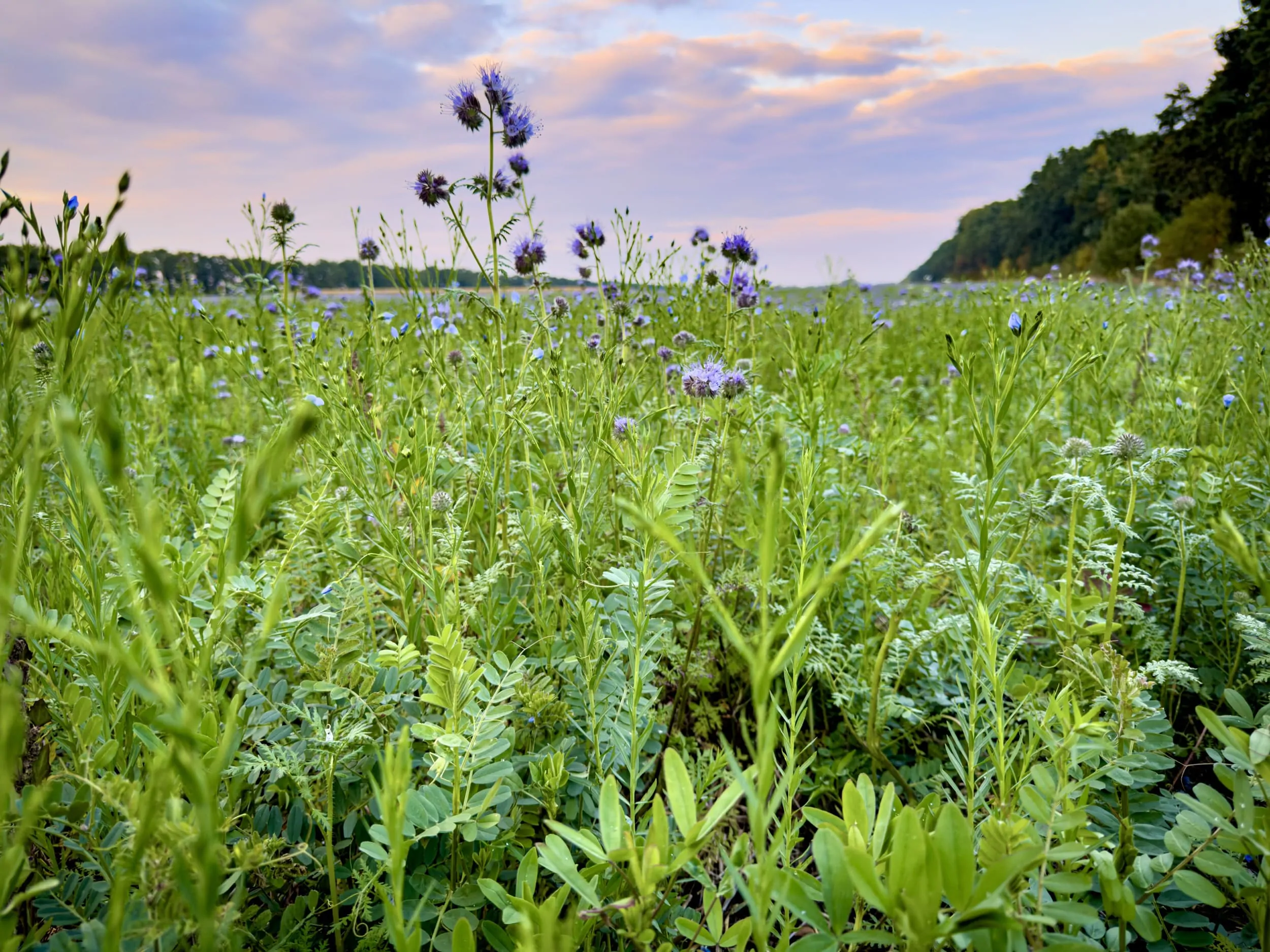
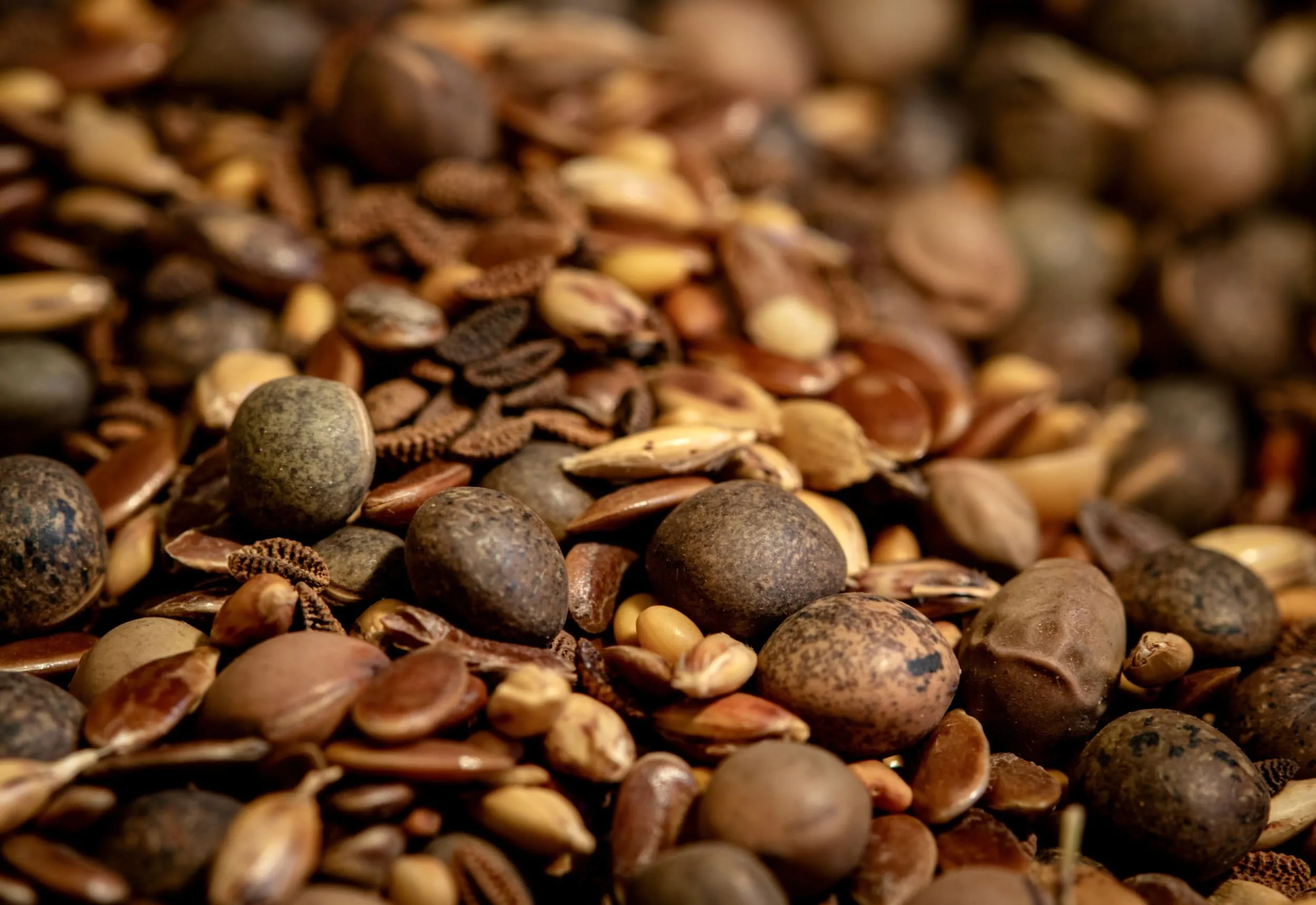
From the very first day of its foundation, our company has been developing professional products designed to enhance your competitiveness and provide effective tools to help you address technological challenges and successfully overcome them.

>18

Years of experience

We have been making the land more fertile since 2007.

13

Crops in production

In-house cleaning, calibration, and packaging lines

Pricing

Catalog

Contact Information

Production and Sales: LLC “Kharkiv Seed”

Address
Phone numbers

Green Manure Crop Mixes

An innovative mix that enables the elimination or significant reduction of volunteer winter and spring rapeseed competition, including hybrids resistant to imidazolinones.

Content

  • Alexandrian clover “Valeria”
  • Sudan grass “Alturo”
  • Phacelia “Elica”
  • Linseed
  • Black oat

Advantages and Features

  • The use of this mix mitigates the negative effects of soil sterilization that typically occur after brassica crops, benefiting all mycorrhizal crops.

  • It has minimal overlap of diseases and pests with subsequent crops such as soybean, sunflower, and corn. At the same time, it is important to note that rapeseed is an undesirable preceding crop for both sunflower and soybean.

  • The mix is capable of producing germination and sufficient biomass under conditions of limited moisture.

  • Due to the inclusion of phacelia and Alexandrian clover, it can contribute up to 40–50 kg of nitrogen per hectare.

Recommended sowing depth: 0.5–3 cm. Seeds of several mix components (phacelia, oil flax) are photosensitive and will not germinate when exposed to sunlight.

Recommended sowing period: June to September. Most components of the mix tolerate light frosts down to -4°C.

Recommended seeding rate: 26 kg/ha.

Premium composition, maximum efficiency.

Content

Spring vetch "Nitro"
43.5%
Linseed
21%
Phacelia "Elica"
13.5%
Alexandrian clover "Valeria"
11%
Sudan grass "Alturo"
11%

Advantages and Features

  • Optimal balance of nitrogen accumulation and organic matter build-up simultaneously.

  • Minimal overlap of diseases and pests with subsequent crops such as soybean, sunflower, and corn.

  • Ability to achieve germination and biomass production under limited moisture conditions.

  • The absence of brassica (cruciferous) crops in the mix makes it suitable for sowing after rapeseed.

Recommended sowing depth: 0.5–3 cm. Seeds of some mix components (phacelia, oil flax) are photosensitive and will not germinate when exposed to sunlight.

Recommended sowing period: June to September. Most components of the mix tolerate light frosts down to -4°C.

Recommended seeding rate: 18.5 kg/ha.

Basic cover crop mix.
A balanced combination of quality and affordability.

Content

Linseed
38.5%
Phacelia "Elica"
26.9%
Sudan grass "Alturo"
15.4%
Oilseed radish
11.5%
Yellow mustard "Unica"
7.7%

Advantages and Features

  • Minimal overlap of diseases and pests with subsequent crops such as soybean, sunflower, and corn.

  • Ability to achieve germination and biomass production under limited moisture conditions.

  • The absence of legumes in the mix is compensated by a high proportion of phacelia, which can increase soil nitrogen content by 20–45 kg before winter for the following crop.

Recommended sowing depth: 0.5–3 cm. Seeds of some mix components (phacelia, oil flax) are photosensitive and will not germinate when exposed to sunlight.

Recommended sowing period: June to September. Most components of the mix tolerate light frosts down to -4°C.

Recommended seeding rate: 13 kg/ha.

An effective tool for combating soil compaction.

Content

Spring vetch "Nitro"
42.2%
Linseed
15.8%
Phacelia "Elica"
10.5%
Alexandrian clover "Valeria"
10.5%
Sudan grass "Alturo"
10.5%
Oilseed radish
7.9%
Yellow mustard "Unica"
2.6%

Advantages and Features

  • An optimal combination of components for combating soil compaction in heavy soils and for increasing nitrogen and organic matter accumulation.
  • Minimal overlap of diseases and pests with subsequent crops such as soybean, sunflower, and corn.
  • Ability to achieve germination and biomass production under limited moisture conditions.

Recommended sowing depth: 0.5–3 cm. Seeds of some mix components (phacelia, oil flax) are photosensitive and will not germinate when exposed to sunlight.

Recommended sowing period: June to September. Most components of the mix tolerate light frosts down to -4°C.

Recommended seeding rate: 19 kg/ha.

Green manure seeds

Medium-early, drought-resistant variety with abundant vegetative biomass and a strong positive effect on the soil microbiome.

Advantages and Features

  • It performs well in crop rotations with rapeseed and sugar beet, as it is resistant to nematodes.

  • It is one of the best crops for converting phosphorus from unavailable forms into plant-available forms.

  • It has high resistance to prolonged high temperatures, as well as soil and atmospheric drought.

  • It has no common diseases or pests with cereal crops, including corn, legumes, oilseed crops (rapeseed, sunflower), or vegetable crops.

  • It attracts a wide range of pollinators, honeybees, and beneficial insects (entomophages).

Recommended sowing depth: 0.5–3 cm. The seed is highly photosensitive and will not germinate when exposed to direct sunlight, therefore proper incorporation into the soil is essential.

Recommended sowing period: March to September. The crop tolerates short-term frosts down to -5°C.

Medium-early variety. High sugar content. A highly effective solution for increasing soil microbial activity. It tolerates extreme July–August temperatures with minimal loss of productivity.

Advantages and Features

  • It has no common diseases with corn or early cereal crops.

  • It delivers a record increase in soil organic matter within a single season.

  • It forms biomass with a high sugar content even under conditions where other crops cannot grow due to moisture deficit.

  • It develops a deep, fibrous root system that provides good soil drainage and helps prevent soil compaction.

  • It serves as a food source for bacteria and fungi, as their populations significantly increase in the presence of sugars in the soil.

Recommended sowing depth: 1–5 cm. Tolerates significant overheating and can germinate in semi-dry soil conditions.

Recommended sowing period: late April to August. Sudan grass almost stops growing when the average daily temperature drops to 8°C, which prevents it from becoming overly dominant in mixes sown during August.

Early variety with rapid growth rate.

Advantages and Features

  • One of the best short-term nitrogen accumulators. In terms of nitrogen content in green biomass, it can compete with alfalfa when used for silage. A low thousand-seed weight allows for a high density of the legume component while using a small amount of seed.

  • It shares significantly fewer common diseases with soybean, rapeseed, and sunflower compared to peas and field beans, and does not promote the spread of Sclerotinia.

  • Continues vegetation after temperatures drop to 4–5°C throughout October–November.

  • It is colonized by nitrogen-fixing bacteria already at the 2–3 trifoliate leaf stage without seed inoculation (soil pH range should be 5.2–8).

  • During mild winters, it is capable of overwintering and rapidly regrowing in spring. It is easily controlled with most herbicides, including glyphosate, synthetic auxins, sulfonylureas, and triketones.

Recommended sowing depth: 0.5–3.5 cm. Tolerates significant overheating and can germinate in semi-dry soil conditions.

Recommended sowing period: March to September. Tolerates light frosts down to -5 to -6°C. At a height of 10–20 cm, it can withstand frosts down to -13°C, which allows the crop to be used as a wintering green manure in the southern regions of Ukraine.

Recommended seeding rates:

  • 0.5–4 kg/ha in mixes
  • 10–12 kg/ha for spring mono sowing (as green manure or for fodder purposes)
  • 13–16 kg/ha for post-harvest sowing after early cereals or in mixes for silage (sowing period: June–July).

Medium-late variety with high early growth vigor.

Advantages and Features

  • High heat and drought tolerance.
  • One of the best varieties for combating soil compaction.
  • Low thousand-seed weight enables maximum emergence even in semi-dry soil conditions.
  • Good resistance to diseases that may affect winter rapeseed, sunflower, and soybean.

Recommended sowing depth: 0.5–4 cm. Tolerates significant overheating and can germinate in semi-dry soil conditions.

Recommended sowing period: April to September. Tolerates light frosts down to -3 to -4°C. When sown at the end of July, it does not have enough time to produce viable seed.

Recommended seeding rates:

  • 0.5–1.5 kg/ha in mixes
  • 3–6 kg/ha for spring mono sowing (as green manure or for fodder purposes)
  • 6–10 kg/ha for post-harvest sowing after early cereals or in mixes for silage (sowing period: June–September).

Early variety with rapid growth rate.

Advantages and Features

  • Maximum heat and drought tolerance.
  • One of the best short-term nitrogen accumulators. A low thousand-seed weight (30–55 g) allows for a high density of the legume component while using a small amount of seed.
  • It shares significantly fewer common diseases with soybean, rapeseed, and sunflower compared to peas and field beans, and does not promote the spread of Sclerotinia.
  • Continues vegetation after temperatures drop to 4–5°C throughout October and November.
  • It is colonized by nitrogen-fixing bacteria already at a plant height of 10–15 cm (soil pH range should be 5.2–8).

Recommended sowing depth: 2–5 cm. Tolerates significant overheating and can germinate in semi-dry soil conditions.

Recommended sowing period: March to September. Tolerates light frosts down to -5 to -6°C.

Recommended seeding rates:

  • 3–15 kg/ha in mixes
  • 35–60 kg/ha for spring mono sowing (as green manure or for fodder purposes)
  • 35–80 kg/ha for post-harvest sowing after early cereals or in mixes for silage. Sowing period: June–July.

Early variety with rapid spring regrowth.

Advantages and Features

  • Leader in nitrogen accumulation among all cover crops.
  • Forms a large amount of vegetative biomass in a short period (April–May).
  • Low thousand-seed weight results in a low seeding rate.
  • Good winter hardiness (comparable to European winter barley varieties).

Recommended sowing depth: 2–4 cm. Tolerates significant overheating and can germinate in semi-dry soil conditions.

Recommended sowing period: late August to October inclusive.

Recommended seeding rates:

  • 2–20 kg/ha in mixes
  • 25–35 kg/ha for green manure sowing with rye, triticale, and other winter crops.

Medium-early variety with rapid growth rate.

Advantages and Features

  • Maximum heat and drought tolerance.
  • At a density of 12–20 plants per m² in mixes, it significantly reduces soil compaction down to a depth of 0.5 m.
  • It provides good drainage and helps alleviate compaction in heavy soils. With sufficient rainfall, it can develop plants up to 1.8 m in height, with a root system capable of penetrating up to 2.5 m into the soil.
  • Continues vegetation after light frosts of -2 to -4°C throughout October–November.

Recommended sowing depth: 0.5–4 cm. Tolerates significant overheating and can germinate in semi-dry soil conditions.

Recommended sowing period: March to September. Tolerates light frosts down to -2 to -4°C.

Recommended seeding rates:

  • 0.5–4 kg/ha in mixes
  • 8–12 kg/ha for spring mono sowing (as green manure or for fodder purposes)
  • 12–13 kg/ha for post-harvest sowing after early cereals or in mixes for silage. Sowing period: June–July.

Medium-late variety with rapid growth rate.

Advantages and Features

  • Maximum heat and drought tolerance.
  • Flax is one of the best crops for increasing the population of mycorrhizal fungi, which leads to higher yields in all mycorrhiza-dependent crops, making it an essential component of cover crop mixes.
  • It continues vegetation after light frosts throughout October–November.
  • It branches well and develops a strong root system, allowing low seeding rates while maintaining maximum productivity in mixes.

Recommended sowing depth: 0.5–4 cm. Tolerates significant overheating and can germinate in semi-dry soil conditions.

Recommended sowing period: March to September. Tolerates light frosts down to -5°C.

Recommended seeding rates:

  • 0.5–5 kg/ha in mixes
  • 25–45 kg/ha for spring mono sowing for seed production